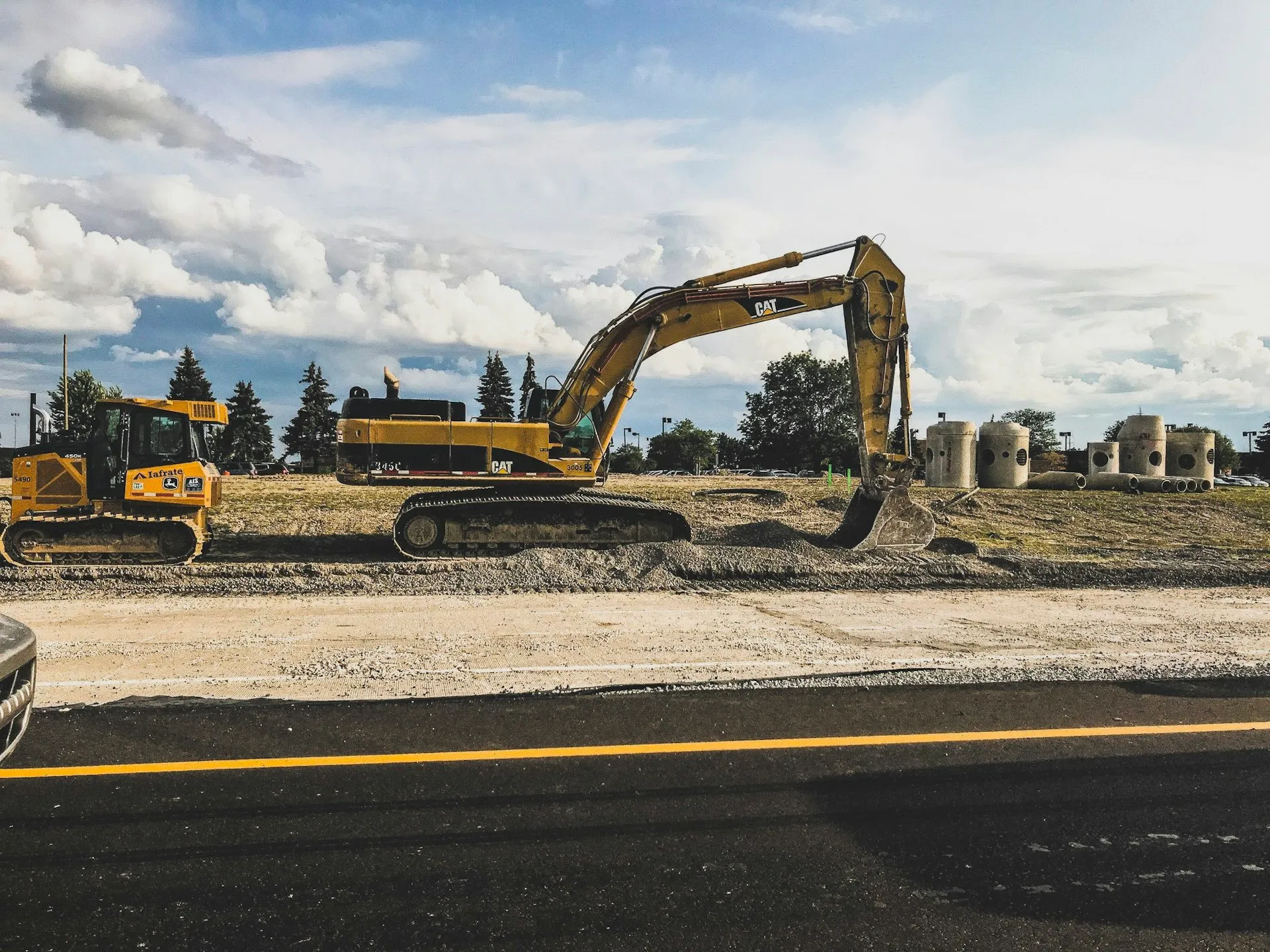
If you have only worked private jobs, prevailing wage can sound like a technical term. It is simpler than it sounds. It is the minimum pay a worker must receive on a California public job.
When it applies
California calls these jobs public works. In plain words, that means building, changing, tearing down, installing or repairing something under a contract that is paid for, in whole or in part, with public money. Some related work done just before or just after the construction can count too. The state describes the full definition on its Public Works page.
If your job fits that description, workers on it must be paid the prevailing wage. It is not optional.
Jobs paid for with federal money can also fall under a federal law, the Davis-Bacon Act. When both apply, workers are paid the higher of the two rates.
How the rate is set
The rate is not one number for everybody. It depends on the type of work a person does, which the state calls the craft, and on where the project is located. A laborer and an electrician on the same site, for example, have different rates.
The Director of the Department of Industrial Relations, or DIR, sets these rates. They generally follow the rates in union agreements. The DIR explains the idea on its Prevailing Wage Requirements page.
We do not list any rates here. The current figures live in the DIR’s wage determinations. They change during a job, often about every six months. We look up the right rate for each craft and location, and track the increases through the job.
Apprentices
Larger public jobs also carry apprenticeship requirements, and there are forms to file for them. Two of them are called DAS 140 and DAS 142. One tells an apprenticeship committee about a contract award, and the other asks a committee for apprentices. Training fund contributions are paid at the rate in the wage determination. The DIR explains all of this on its apprenticeship page.
What happens if the rules are not followed
Violations can bring civil penalties, criminal charges, or both.
What to do next
Prevailing wage is only one piece. You also register with the DIR before you bid, and you file certified payroll every week of the job. Our other guides cover those.
None of this has to be learned the hard way. At AE Compliance we handle the paperwork for contractors on public jobs. We explain it all in plain language before you start and answer your questions along the way. If you are working out whether a project is for you, tell us about it.